









Staff
With Erasmus+ training opportunities are available to staff working in education, both in teaching and non-teaching capacities.
Erasmus+ Key Action 1 – Learning Mobility of Individuals provides opportunities for higher education academic and nonacademic staff to engage in professional development activities abroad. It also allows professionals from various fields to teach and train students or staff at higher education institutions. These opportunities can include teaching assignments or training experience, such as job shadowing, observation periods, or participation in training courses.
To ensure high-quality mobility activities with maximum impact, the mobility activity must be related to the staff’s profession and address their learning and personal development needs.
Staff teaching mobility in EUPeace
A teaching mobility abroad takes place at a partner higher education institution. The teaching period abroad enables any teaching staff member at a higher education institution or staff from enterprises to teach at a partner institution abroad. Staff mobility for teaching can occur in any study field. A teaching mobility lasts from 2 days to 2 months (programme countries) or a minimum of 5 days (partner countries) and the teacher commits to a minimum of 8 teaching hours per week. The staff member must be selected in advance within a selection process at their home institution.
Staff training mobility in EUPeace
A training mobility abroad takes place at a partner higher education institution. The training period abroad enables any staff at a higher education institution to take part in a training activity abroad that is relevant to their day-to-day work at the esteemed institution. This may include training events or job shadowing. The training mobility lasts from 2 days to 2 months (programme countries) or a minimum of 5 days (partner countries). The staff member must be selected in advance within a selection process at their home institution.
A period abroad may combine both teaching and training activities.
For either Staff Training or Staff Teaching, it is recommended to use Erasmus+ funds from the participant’s home institution. Travel and accommodation costs can be covered through Erasmus+ KA131 or KA171 funds. The University of Mostar and the University of Sarajevo use International Credit Mobility (KA 171) while other universities use Erasmus+ KA131 funding.
If you are interested in Staff Training or Staff Teaching, please contact the International Relations Office at your home institution.
 © Comillas Marketing Team
 © Sigrid Jost
 © Mateo Jurčić
Testimonials
 © Alicia Llamas
Three reasons to become mobile:
- Professional Growth: Develop new skills, enhance your resume, and expand your international network.
- Cultural Enrichment: Broaden your perspective, build resilience, and enjoy unique experiences in a new environment.
- Institutional Impact: Share innovative ideas and strengthen partnerships between universities.
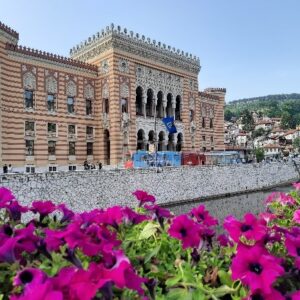
Three reasons to become mobile:
- Getting to know a new culture
- Networking with colleagues from the host university and with other participants to the International Staff Week
- Develop skills in the field of internationalization
and intercultural communication
 © Sigrid Jost
What was your favourite place during your mobility?
The Yellow Fortress in Sarajevo: A beautiful view over the city, very picturesque, and a man proposed to his future wife right next to us (she said “yes”).
What did you enjoy most about your mobility experience?
Meeting our colleagues in person, discussing and clarifying our topics together, learning about BiH history and culture, especially in Sarajevo and Mostar.
What surprised you about your host country or university?
I was not surprised, but the hospitality and friendliness of every single person we have met during our stay was extraordinary and very welcoming.
Any advice for future mobility students?
If you have a personal contact in BiH, let them show you their country! Our former exchange student showed us her Sarajevo, it was the best day!
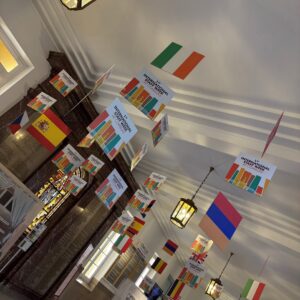
What was your favourite place during your mobility?
My favorite place during my stay in Madrid was the Plaza de la Armería next to the Royal Palace of Madrid. We ended our walking tour of Madrid there. The sun was setting, there was music playing, families with kids who were running around and playing catch, friends hanging out. I loved this place and returned to it a couple of times during my evening walks.
What did you enjoy most about your mobility experience?
I truly appreciate the chance I had to exchange idead and best-practices with alliance colleagues who work in similar projects and/or areas.
What surprised you about your host country or university?
It wasn’t a surprise because I was anticipating it already. Everyone we met was very hospitable and warm.
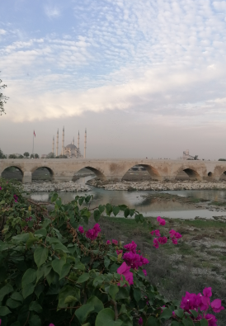 © Rebecca Schaffeld
Three reasons to become mobile:
- Get out of your comfort zone to make new experiences
- Meet nice people and enhance your network
- Experience a different culture and learn that things can be done in a different wa
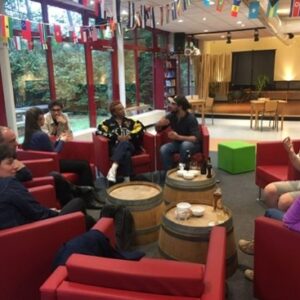 © Cécile Lapeyre
Three reasons to become mobile
- To develop intercultural skills
- To know better our home university
- To exchange best practices
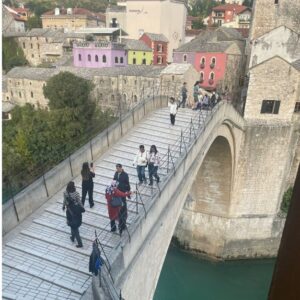 © Ayten Iflazoglu Saban
Learnings from the WP2 Meeting in Mostar
- Online Course Incentives Strategies to promote online courses within the European Track.
- VEEP Integration Adapting existing structures (e.g., MO:VE, VIP) for VEEP purposes.
- Micro-Credentials Universities to review existing micro-credentials.
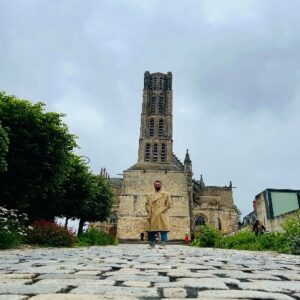 © Marijan Tustonja
Three reasons to become mobile:
• Mobility programs provide opportunities to gain new skills, broaden professional knowledge, and enhance career prospects through international exposure.
• Experiencing new cultures fosters understanding, adaptability, and a global perspective, enriching personal and professional growth.
• Mobility enables participants to build international connections, collaborate with experts, and establish long-term partnerships in their field.
Upcoming Staff Weeks & Similar
 © Vitaly Gariev via unsplash.com
EUPeace Buddy System BIP Week in Pilsen
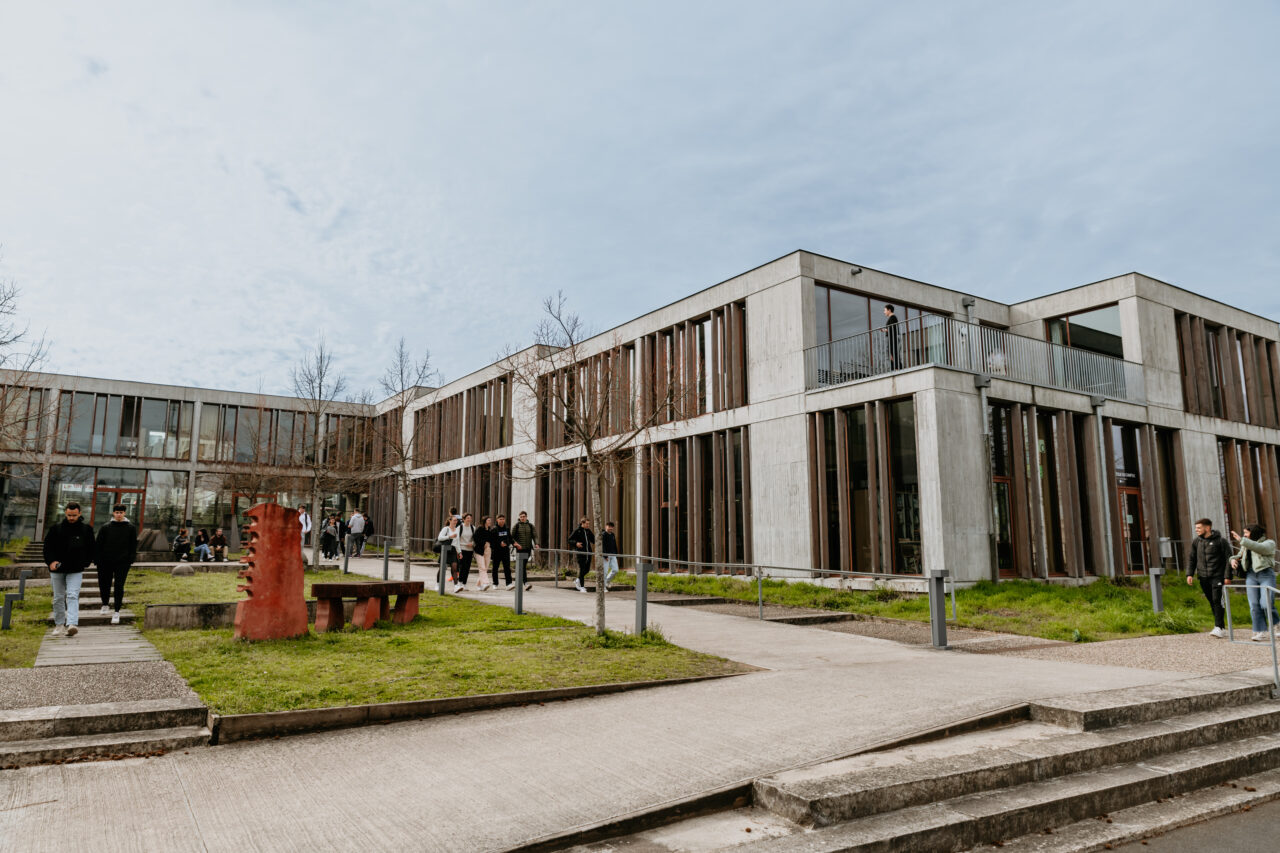 © Chloë Fidanzi
EUPeace Summer School 2026: What does it mean being a teacher today?
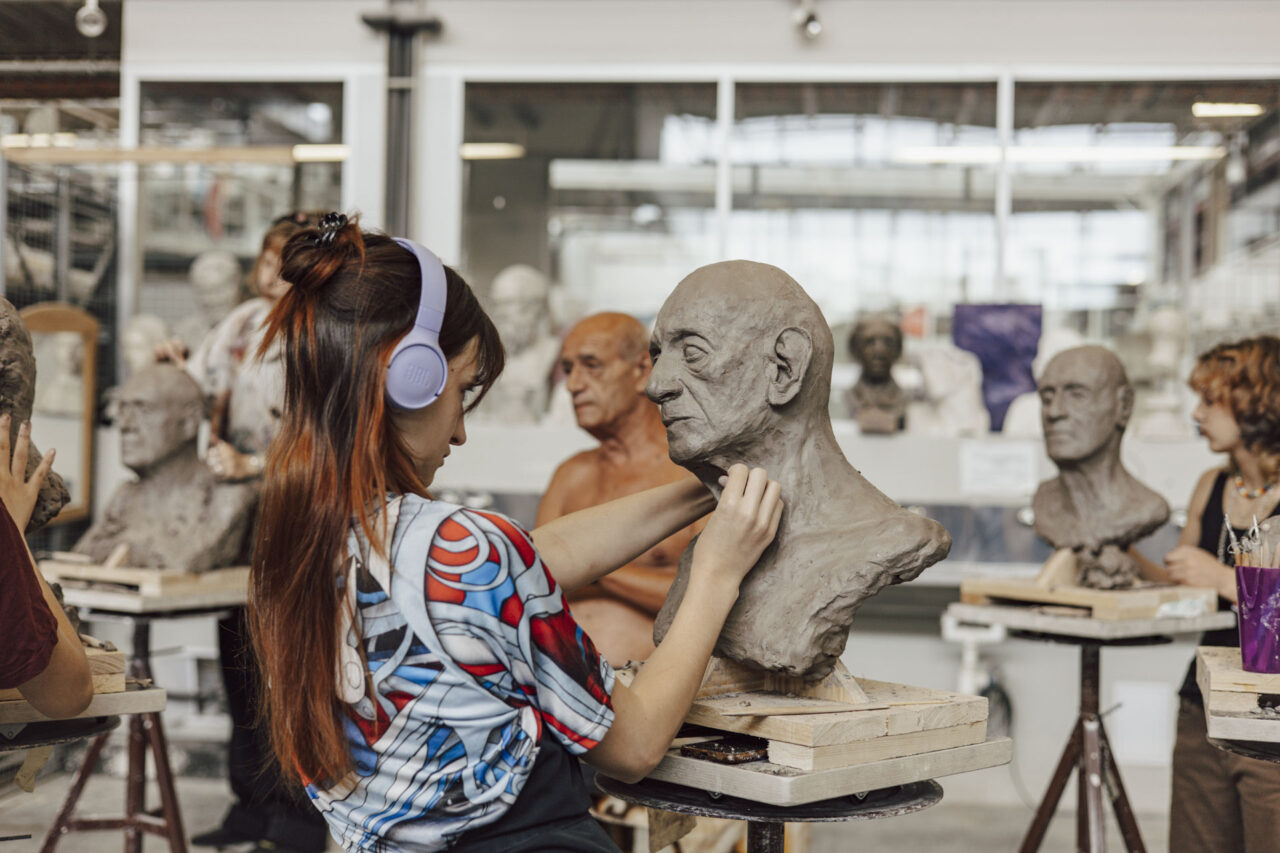 © Mrs. Klára Dzadkiewiczová
ArtCamp international art education in Pilsen
Past Staff Weeks & Similar
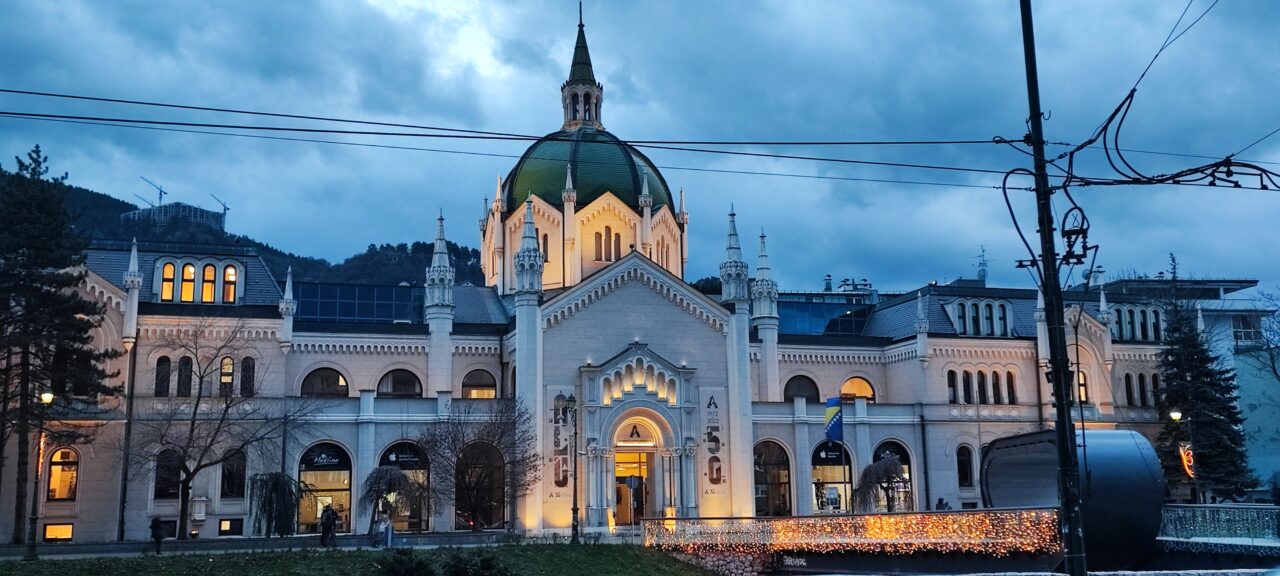
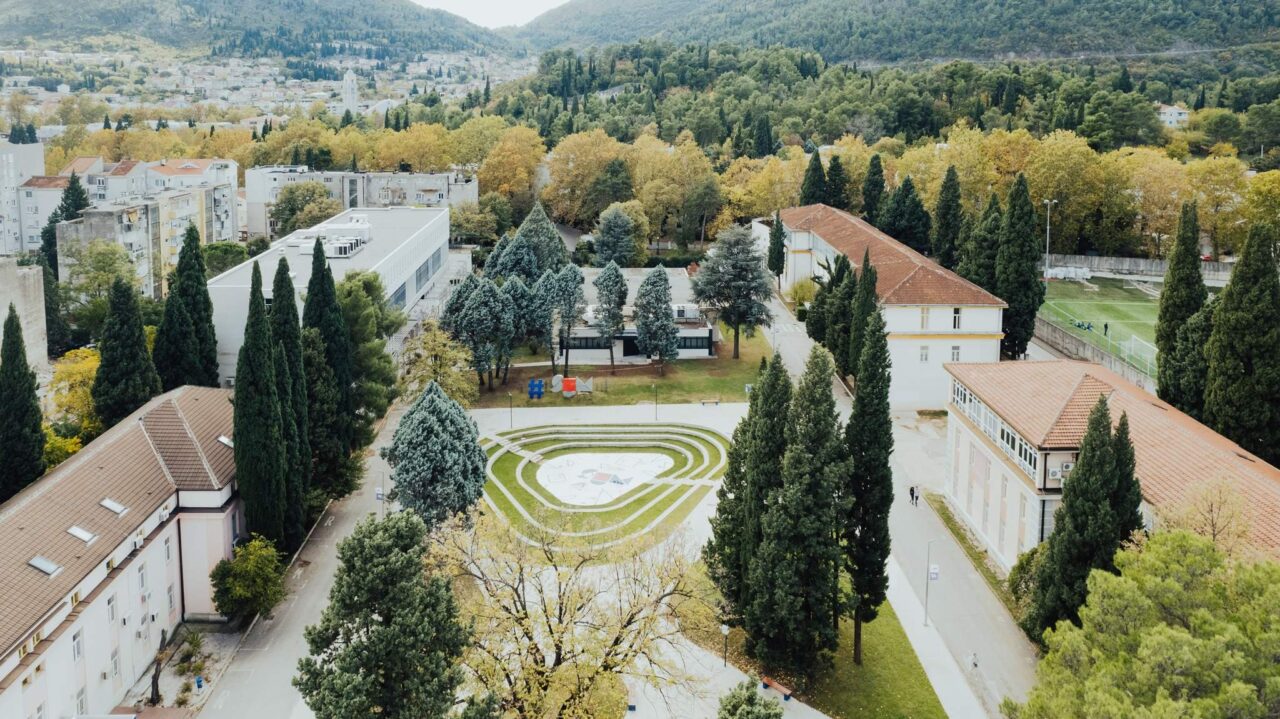 © University of Mostar
Staff Mobility Week at the University of Mostar
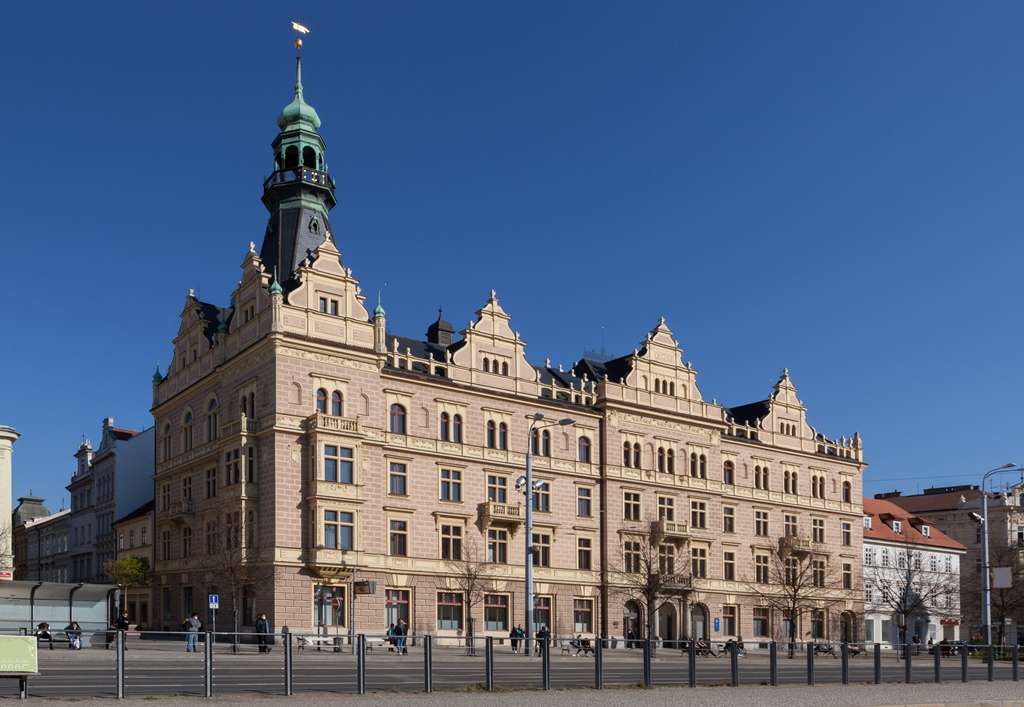
Staff Training Week at the University of West Bohemia in Pilsen
 © Diana Maria Popovici
EUPeace Cross-WPs Staff Training Week 2025: Building bridges to facilitate mobility
5th International Erasmus+ Staff Mobility Week “Building Effective University Alliances” at the University of Mostar
 © farizun amrod via Adobe Stock
EUPeace TSA Training Week 2024
 © Thorsten Richter